I’ve seen and heard a lot more talk this year about ticks. I feel a lot more people have found ticks on their pets. I found a few in my pups after a recent walk.
I always panic a little when I find them as they come with a very bad reputation. (and in some cases rightfully so.)
Tick Prevention and Management in Cats and Dogs in the UK
I’ll talk through as best I can from my research on ticks and from talking to my own vet how to manage and prevent ticks.
Understanding Ticks and Their Risks
Ticks are small arachnids that feed on the blood of mammals, birds, and sometimes reptiles and amphibians. They are vectors for various diseases, including Lyme disease and Babesiosis. Understanding their life cycle and habits is the first step in preventing an infestation.
Common Tick Species in the UK
- Sheep Tick (Ixodes ricinus): The most common tick in the UK, known for transmitting Lyme disease.
- Hedgehog Tick (Ixodes hexagonus): Often found on hedgehogs, but can also infest pets.
- Brown Dog Tick (Rhipicephalus sanguineus): Can infest homes and kennels, though less common in the UK.
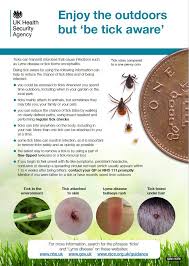
Preventing ticks
We should do what we can to prevent ticks. Here’s a few suggestions:
1. Use Preventative Treatments
There are various tick preventatives available, including:
- Topical Treatments: Applied monthly to the skin. Popular brands in the UK include Frontline and Advantage.
- Oral Medications: Given monthly or every three months. Brands like NexGard and Bravecto are effective.
- Tick Collars: Provide long-lasting protection. Seresto collars are a popular choice.
Consult with your veterinarian to choose the best option for your pet.
2. Maintain a Tick-Free Environment
- Garden Care: Keep grass short and remove leaf litter.
- Tick-Free Zones: Create a tick-safe zone by placing a 3-foot barrier of wood chips or gravel between lawns and wooded areas.
- Pest Control: If you have seen or know of a lot of ticks in and around your yard, consider professional pest control treatments for your garden.
Checking for ticks
It’s important to check for ticks regularly.
I recommend checking for ticker after outdoor activities, especially in wooded or grassy areas. Pay close attention to areas like:
- Inside and around the ears
- Around the eyelids
- Under the collar
- Around the tail
- Between the toes
Removing ticks
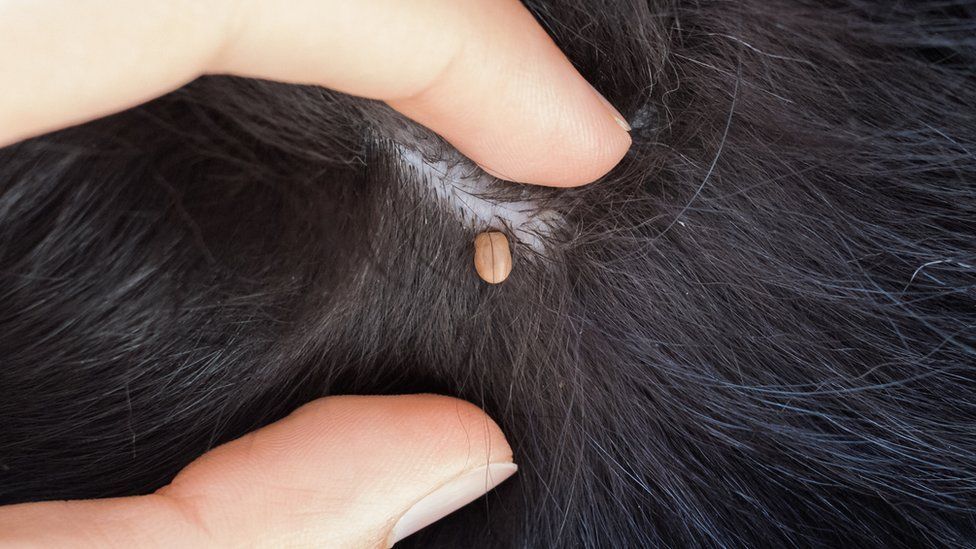
This is the part I really hate. I’ve removed 5 ticks in my life. I read a bunch of articles on removing ticks and now have a tick remover in my walking bag.
How to Remove a Tick
- Use a tick removal tool or Fine-Tipped Tweezers: Grasp the tick as close to the skin’s surface as possible. You can buy tick removal tools on Amazon HERE. This makes it much easier.
- Pull Upward: Steadily pull upward with even pressure. Avoid twisting or jerking.
- Clean the Area: After removing the tick, clean the bite area and your hands with rubbing alcohol or soap and water.
- Dispose of the Tick: Submerge it in alcohol, place it in a sealed bag/container, wrap it tightly in tape, or flush it down the toilet.
Aftercare and Monitoring
- Watch for Symptoms: After removing a tick, monitor your pet for signs of illness such as fever, lethargy, or loss of appetite.
- Consult Your Vet: If you’re worried about your pet or want help taking the tick out, contact your vet.
Conclusion
Tick prevention and management are an important part of pet care. By staying vigilant, using effective preventative treatments, and knowing how to safely remove ticks, you can protect your pets.
Always consult with your vet for specific advice on your pet.