Everyone wants to be the perfect pet parent. We speak to tons of pet owners every week who want to be sure their pet is safely and securely registered on the MyPet microchip database.
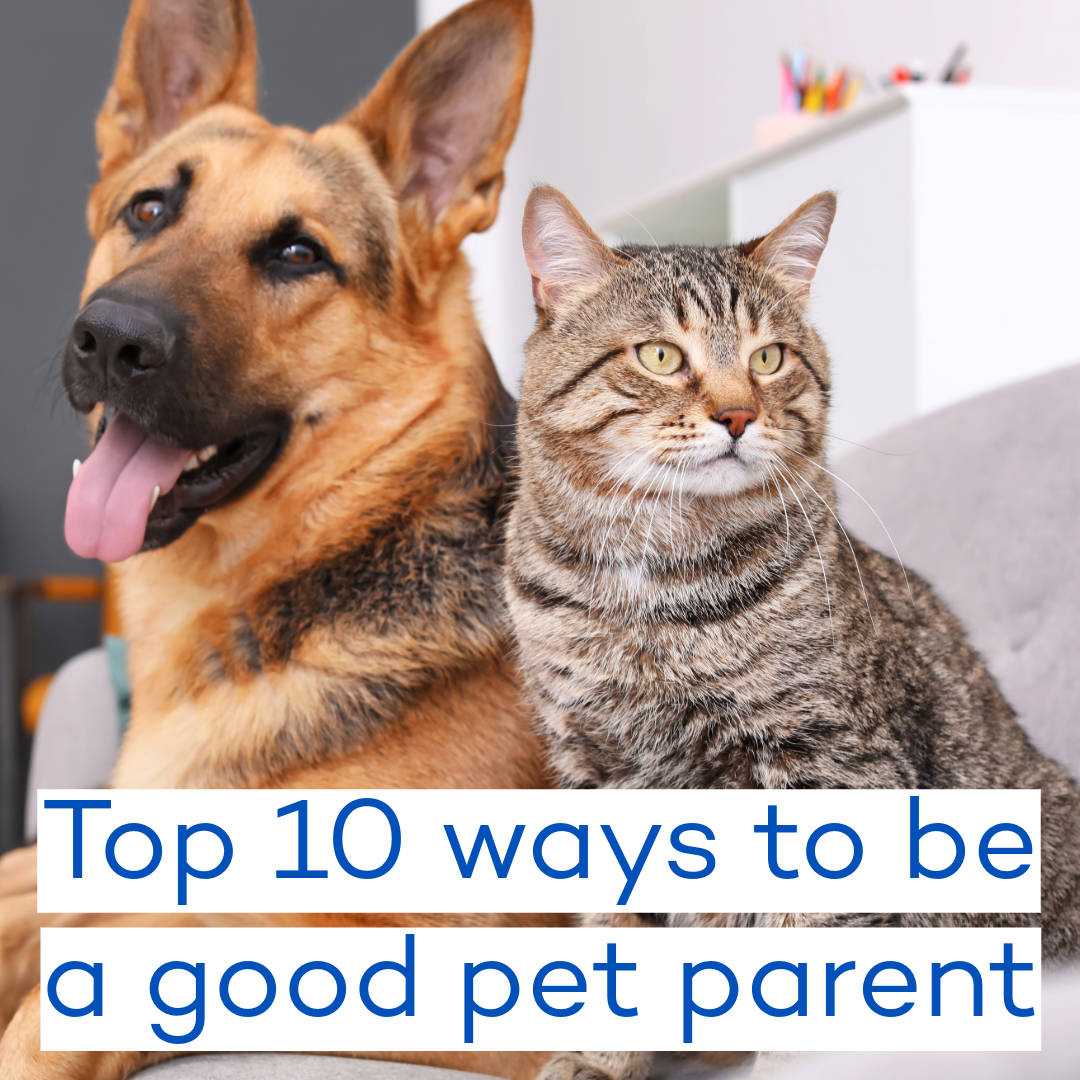
Read this article if you’d like to learn the top 10 ways to be a good pet parent.
1. Take responsibility
Our number one reason is to take responsibility. Whenever your pet isn’t behaving it’s easy to say it’s your pet’s fault. Part of being a good pet owner is taking responsibility for your pet. If your pet is misbehaving you should always ask yourself a few key questions:
- Am I doing enough to train my pet?
- Is there something I’m not doing for my specific breed of pet. i.e. are they getting enough exercise?
- Are they comfortable? Do they need groomed or anything else to make sure they’re content.
2. Make time to bond with your pet
We live in an incredibly busy world with so much to do. Our dog or cat is generally just a part of our life, but remember you likely make up nearly everything your pet will ever know. It’s so important to spend time bonding with your pet. Not only is it good for your pet but it’s good for you. Our bodies release certain chemicals to reduce stress and increase happiness when we spend time with a pet we love.
3. Regular vet visits
Regular vet visits are an incredibly important part of pet ownership. You should always plan to visit the vet at least once a year for vaccines and a general check-up. You should also always visit the vet if you think your pet is unwell or if they’re acting strangely.
3. Recognise if your pet is stressed
Learning to detect signs of stress in your pets, whether they’re dogs or cats, is essential for their overall well-being. Dogs and cats may exhibit different behaviours when they’re feeling stressed, so it’s important to be observant and attuned to their individual cues.
In dogs, signs of stress can include panting, pacing, excessive drooling, trembling, yawning, or avoiding eye contact. They may also display changes in behaviour such as aggression, withdrawal, or destructive tendencies.
Cats may show stress through behaviours like hiding, excessive grooming, urinating outside the litter box, or vocalising more than usual.
By recognising these signs, pet parents can take steps to alleviate their pet’s stress and help make them feel safe and secure. Whether it’s providing a quiet retreat, engaging in calming activities, or seeking professional guidance, understanding and addressing your pet’s stressors can help foster a happier and healthier bond between you and your furry friend.
4. Make their home safe and comfortable
It’s important your pet feels safe and secure at home. There are a few things you can do to help:
- Ensure your pet has access to water at all times and food at appropriate feeding times.
- Make sure they have a quiet and secluded space to rest
- Ensure any dangers are removed such as poisonous plants, electrical cables that could be easily chewed etc
5. Keeping your pet active
Cats and dogs have different needs when it comes to staying active, added to that different breeds have different needs. It’s important to understand your pet’s needs. For example:
- Cats can look after themselves for the most part but having an area to play is super important
- Larger breed dogs such as labradors, springers etc need a lot of exercise.
- Mental games such as sniffing out snacks can also help keep your pet active
6. Socialising your pet
Dogs need more socialisation than cats. Each dog will have their own personality about how much they socialise. The earlier you can start your pet socialising the better. Here are a few ways in which you can make socialising easier:
- Meet on neutral territory at least the first time
- If they’re meeting a new human a treat can help break the ice.
- Make sure your pet has somewhere to go if they are ready to stop socialising.
7. Plan for anytime you're away from home
Many people work away from home for long periods of time during the day. it’s important you plan for this for your pet.
- Make sure your pet has enough food and water
- You may want to put on a pet TV channel while you are out to help keep them stimulated.
- If possible call in during the day or have a family member check in on your pet
8. Proper Nutrition
A well-balanced diet is the cornerstone of your pet’s health and vitality. Consider talking with your vet to determine the best diet for your pet’s age, breed, and any specific health concerns. Resist the urge to overfeed or rely on low-quality foods, and instead prioritise nutritious options that support your pet’s overall well-being. Nature’s Menu is a good choice and can be found HERE.
9. Celebrate their birthdays
We only get so many years with our pets. It’s important to celebrate each and every year with them. How you celebrate will change as they get older. You will need to adapt as every year goes on to suit their changing needs.
10. Good hygiene
Depending on your pet, they’ll have needs around hygiene. For me, our dogs need to get groomed every 8 weeks. Other pets may need their paws cut, ears cleaned, and teeth cleaned. Not only does this keep them feeling good it can also improve the bond with your pet
Being a pet parent is (in my opinion) a total joy but it comes with a great deal of responsibility. When you take ownership of a pet you are taking ownership of their well-being. It’s a rewarding journey but it can be hard at times.
Feel free to add your top tips in the comments!